
News Ticker

Stephen King

Stranger Things: The First Shadow
April 30, 2025

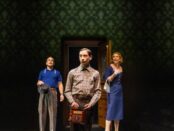
"Stranger Things: The First Shadow" concludes with a Netflix joke that, besides being pretty funny, also represents a bit of chest-thumping for the play's outsized number of developers who manage to successfully blur the line between theater and television. Whether that's a good thing is a matter of taste, or a lack of it, but there's no denying that "Stranger Things: The First Shadow," which has journeyed from the West End to Broadway, is exactly the type of experience it wants to be: immersive; scary; and, even if you've never seen an episode of the streaming series from whence it comes, familiar. That's because, imaginatively befitting its source material, the play is a storytelling stew of cultural callbacks that owes a debt--presumably unpaid-- to Stephen King, Wes Craven, and other unsettling shapers of Gen-X childhoods. [more]


Dolores Claiborne

October 26, 2017

King’s "Dolores Claiborne" would seem a strange choice for dramatization as the book is a monologue told entirely by its protagonist at a police interrogation over a murder on Little Tall Island off the coast of Maine. Though J.D. McClatchy’s streamlined libretto is very faithful to the book (while eliminating some characters and complications), it never approximates the compelling and wry narrative voice in Dolores’ first-person tale which makes her sympathetic and gives a sense of urgency to her story. Mezzo-soprano Lisa Chavez creates a believably passive character as a maid/companion to a selfish, rich woman whom she is accused of killing and an abused wife saddled with an alcoholic and brutal husband who died 30 years earlier but she brings no sympathy to the role. She just seems a tired, traumatized woman, not very interesting for the leading character in an opera. [more]

Misery

November 23, 2015

The best role in the story is that of sociopath, deranged Annie Wilkes. Metcalf runs the gamut of emotions from bliss to murderous rage and back and turns on a dime. Unlike Willis, she uses her face to show all of her moods both pleased and black. Always interesting to watch, her Annie is revealed as crazier the longer the story goes on. The scenes in which she has to get Paul back into bed suggest that her Annie not only contains tremendous emotional extremes but also enormous strength from years running her farm. Playing the role less childless-like than Kathy Bates did in the movie, she makes Annie Wilkes all her own. As the third member of the cast in the minor role of the sheriff, Brown is completely convincing but he hasn’t been given much to do in his few brief scenes. [more]